Who We Are
Darnika Development and Services Organization (DDSO) is an Afghan women-led, non-political, and nongovernmental organization focused on humanitarian aids, women’s and girls’ empowerment, gender equality, women economic empowerment, livelihood, food security, social cohesion, health, climate change,Live-Stock and education. Our primary focus is on women’s economic empowerment, reproductive health, maternal and newborn health, food or nutrition security, child nutrition, breastfeeding, water and sanitation, livelihood, emergency response, and humanitarian aid. The goal is to achieve gender equality and women’s empowerment by promoting their participation in social and economic life, contributing to civic rights and combating gender-based violence. DDSO aims to be a national force and partner in a nationwide movement for women’s and girls’ empowerment, ending poverty, reducing mortality, and providing emergency relief to marginalized communities and populations affected by conflict, natural disasters, or economic downturns, thereby helping them regain their dignity. DDSO seeks a country of hope, tolerance, and social justice where poverty has been overcome and everyone lives in dignity, peace, and security
Vision:
DDSO envisions alleviating poverty in communities across Afghanistan
Mission:
As a committed national NGO, DDSO is dedicated to actively alleviating poverty by fostering socio-economic stability, creating sustainable livelihood opportunities, promoting health and social justice, and providing quality education.
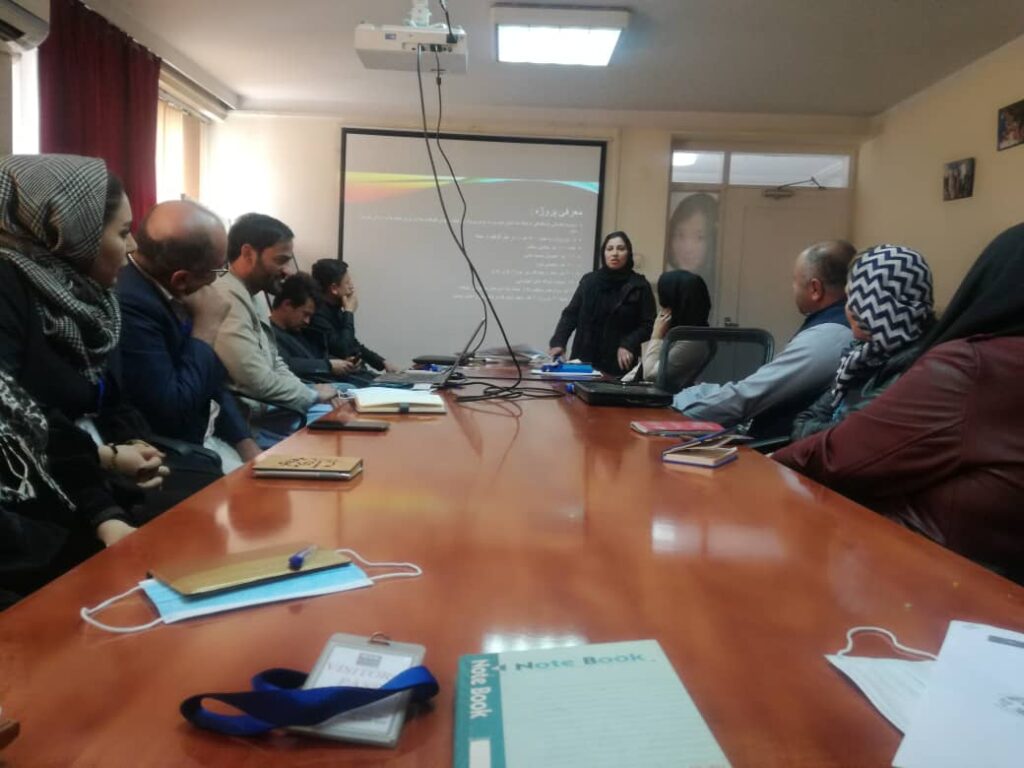
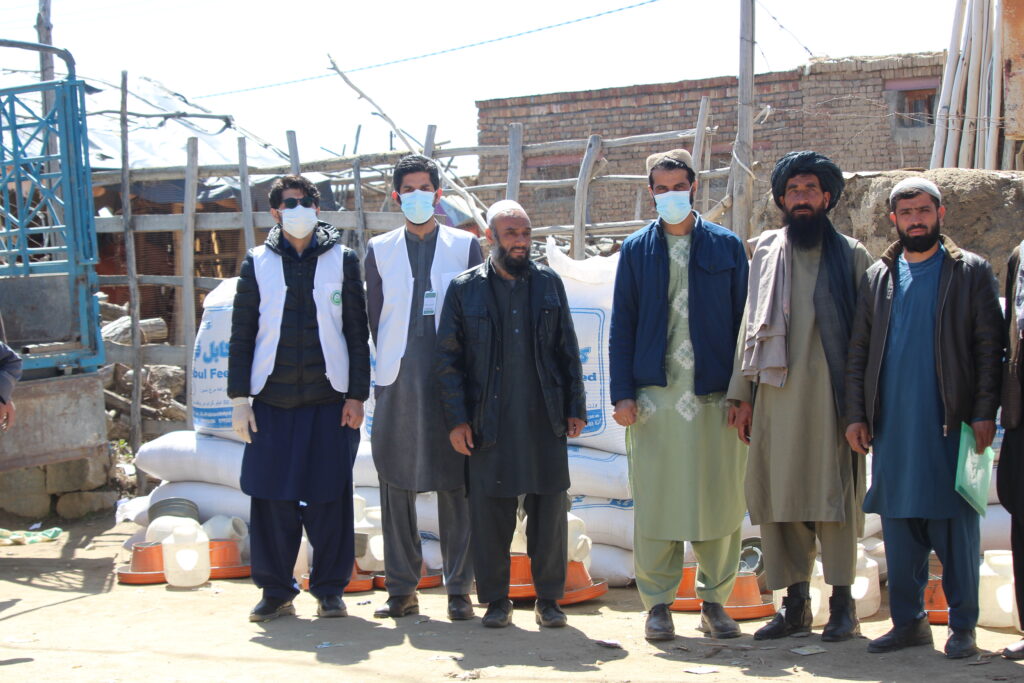
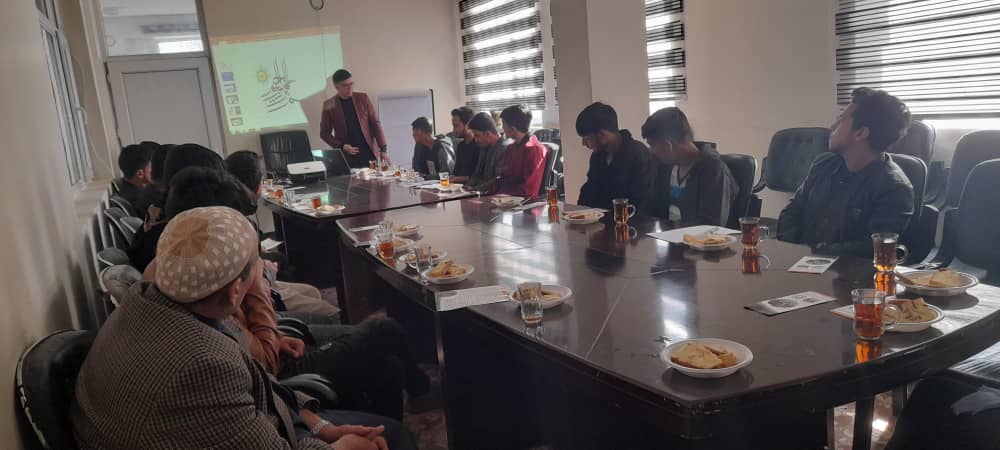
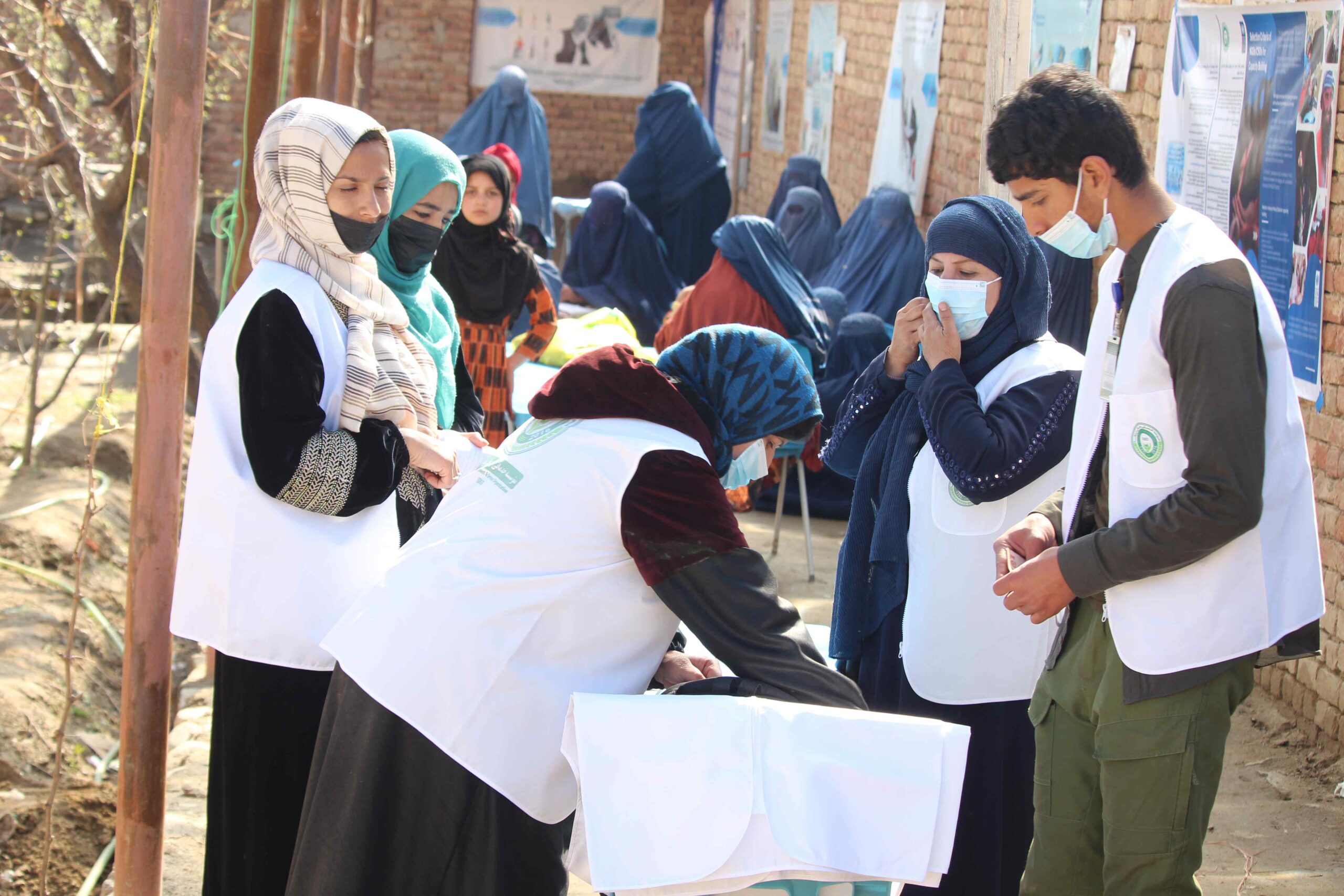
What We Do
01.
Community Mobilization/Agriculture Program
The basic purpose of designing this program lies in the theme of community mobilization i.e., to sensitize the masses towards the women’s role and contribution within the households and at the community level. Also, the idea of the agricultural project is based on requests from communities for which DDSO would like to work and wish to gain experience in agricultural domain at the same time meeting needs of beneficiaries. DDSO has designed agriculture program in such a way that it will become sustainable after some years. In the meantime, DDSO has attempted to maximize targeted community’s participation in it to either handover the project to them or to the government department’s active in that area.
02.
Peace Building and Civic Education:
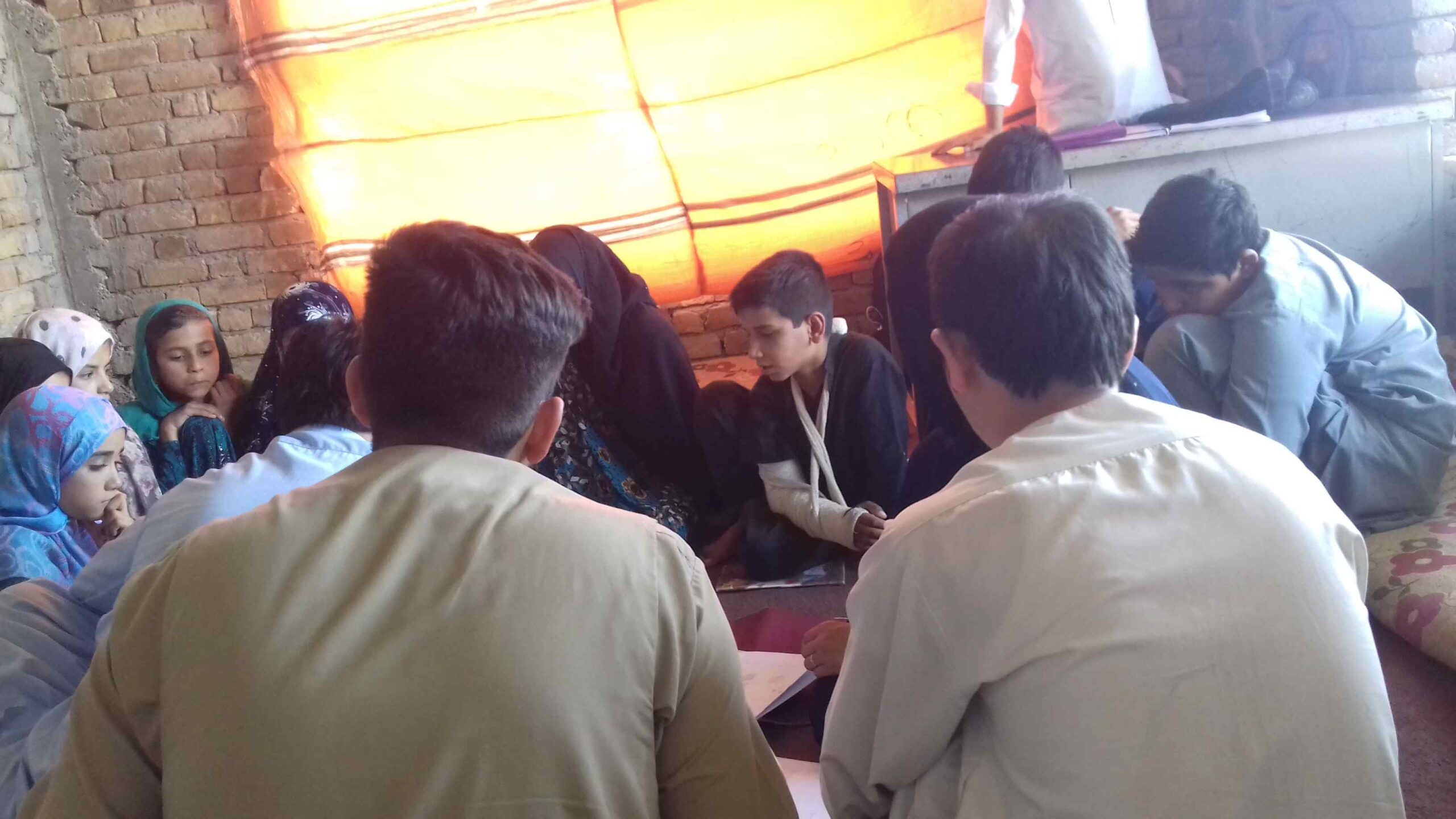
DDSO believes that Civic education is essential in a democratic state in one hand to aware people about their rights and claim for it and on the other hand to make the related authorities to be more accountable. In addition, Afghanistan is affected by decades of war which resulted in different type of conflict in all level of society, so there is need for awareness rising in conflict resolution and peace building
Self-reliance and Livelihood Program: To reduce socio-economic vulnerability of Afghan females in order to move them towards self-reliance and give them the confidence to build their lives towards a stable and prosperous future, DDSO
- Offering trainings in skills like tailoring, embroidery, Gelm weaving, poultry farming, etc. Upon their graduation from the training courses they receive certificates of completion and tool kits to start their own work.
- Training women in marketing.
- Providing micro-credit loans to skilled women especially female-headed households to start small businesses.
• Providing/Facilitating local and international markets for women’s products, including an outlet at the Kabul Women’s Park
03.
Women Empowerment and Leadership
We see the future of Afghan women not as passive victims but as active agents of positive changes in their community and nation
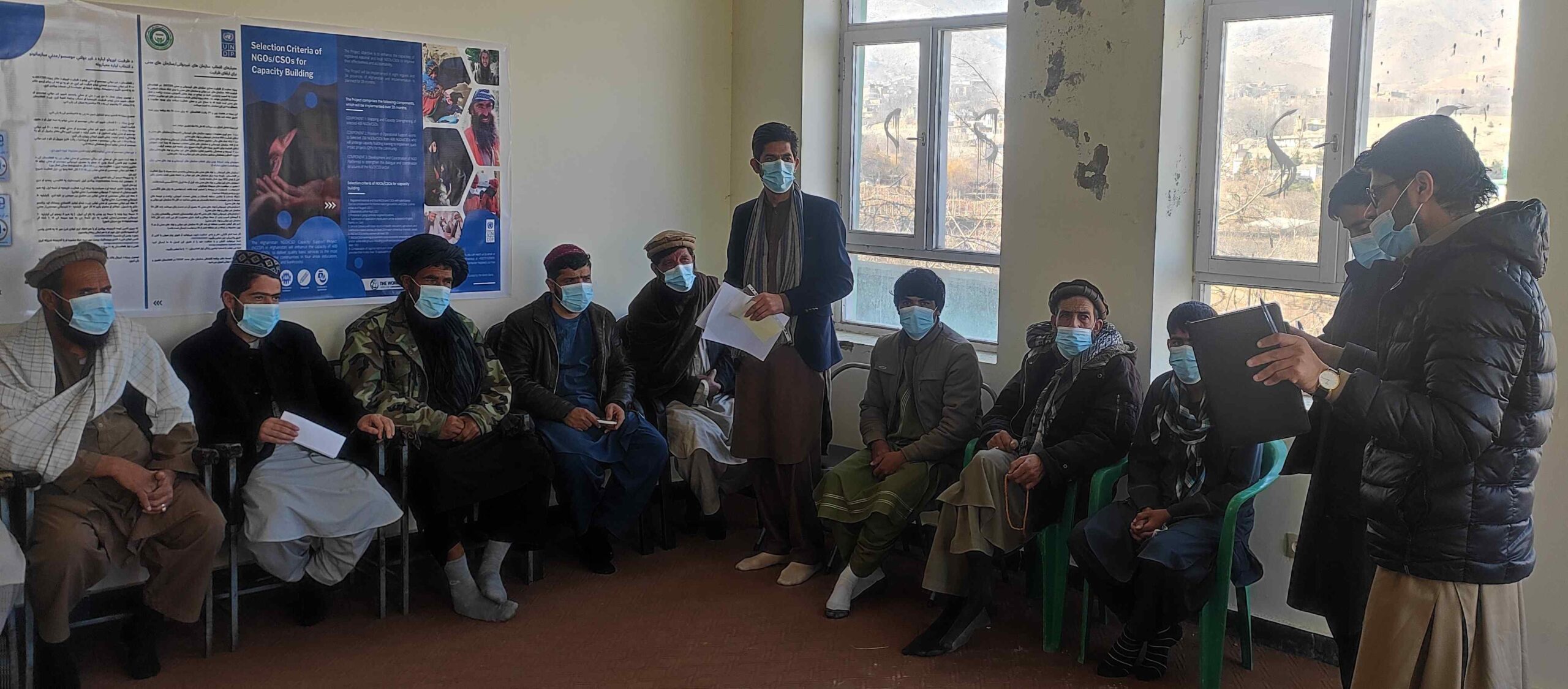
Advocacy & Lobbying: DDSO strongly believes that only developmental relief is not sufficient for women empowerment without simultaneously engaging in community mobilization, advocacy and policy reforming. Therefore, to further contribute towards promoting gender equity, DDSO undertakes following initiatives: • To build the capacity of the other involved civil society organizations/groups and support them. • Mobilizing rural population especially women through using DDSO established community-based centers. • Establishing and training of youth and women groups. They will play the key role in forming a collective voice to convey women’ needs and aspirations.
Conducting awareness raising workshops to make women conscious of their rights and duties not only in the light of the Islam, but also as human beings and Afghan nationals. • Strengthening the voice of women through initiating and supporting advocacy and lobbying movements and sensitizing the community towards admitting and accepting women’s valuable contribution, as producers and caretakers in the community and families. • Networking with national and international women’s organizations
04.
Health Program/Hygiene Awareness
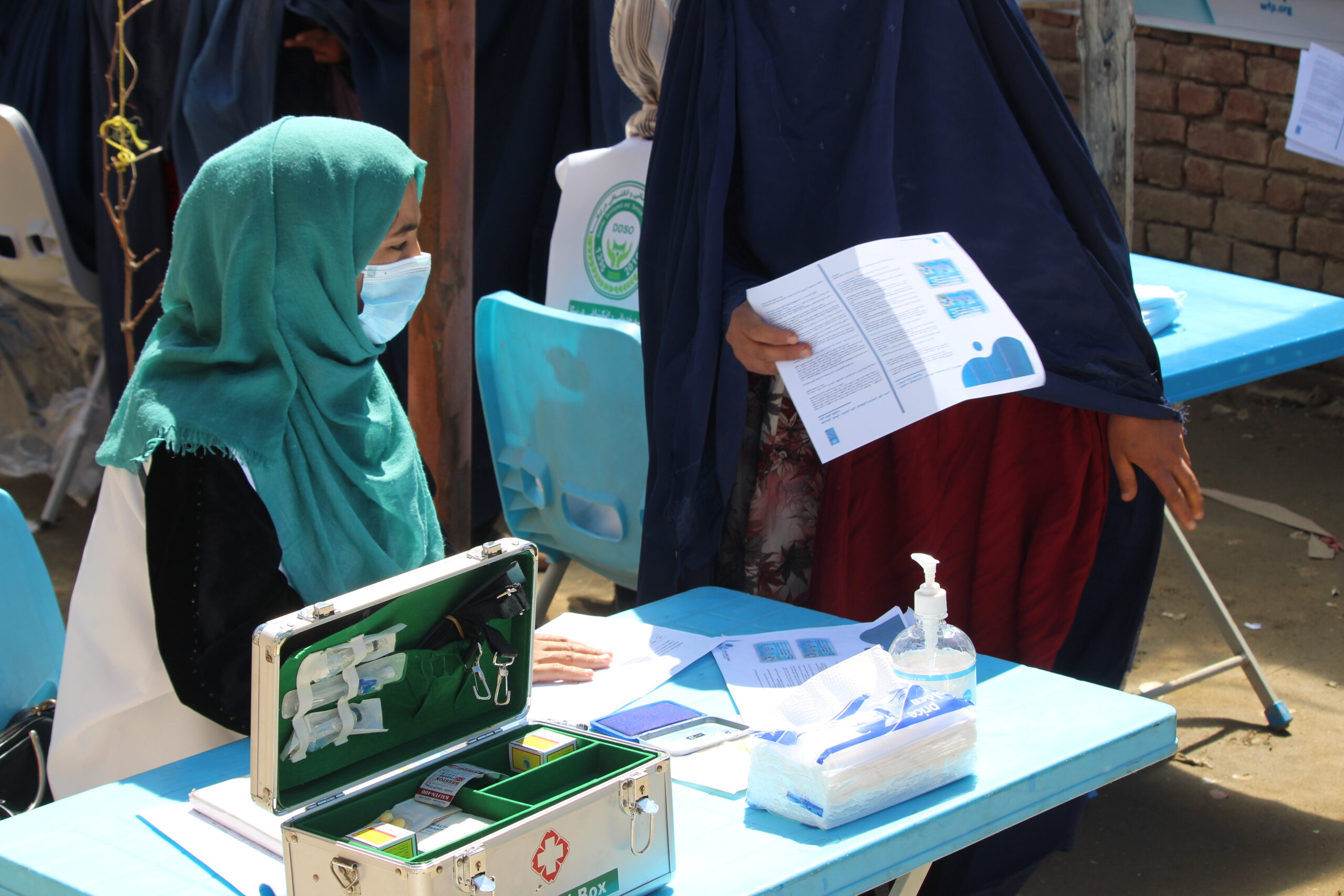
Experience has proved that lower level of education amongst women is clearly correlated to higher rate of fertility and maternal and infant mortality. DDSO will implement programs for raising awareness of community for good hygiene practices, health issues health care, combined with nutrition, psychosocial support; water, sanitation and hygiene (wash), and thereby contributed to reduction of diseases. Reproductive health-menstrual hygiene management, mental health literacy and counseling, reduction in morbidity and mortality, food and nutrition security, child nutrition, breast feeding, water and sanitation.
• Conducting health education sessions
Capacity Building Program:
Capacity building opportunities are the key to meaningful employment, self-sufficiency and a sense of self-worth. The barriers that face the Afghan women in this regard are substantial. Thus, DDSO supports literate Afghan women through offering the following capacity building opportunities to meet the challenge of the evolving needs:
- Conducting short-term workshops/courses on wide-ranging topics including but not limited to management, development, community participation, leadership, communication, and information technology.
• Offering English language classes. • Facilitating access to information and dissemination of information relevant to the life of community women and girls through equipping community-based centers with small scaled library
05.
Literacy and Education Program
Education is instrumental in promoting women’s status and eliminating harmful cultural practices and illiteracy impedes women to acquire knowledge on matters related to their empowerment. Moreover, their meager knowledge makes them vulnerable and puts them at risks and problems. Experience has proved that lower level of education amongst women is clearly correlated to higher rate of fertility and maternal and infant mortality. So to impart access to education for Afghan women DDSO strategy is to:
- Setting up home-based literacy classes for women and girls in the rural and urban settings. These classes are supervised and management through its existing community-based centers.
- Conducting teacher-training workshops to enhance teachers’ skills and to expand the pool of teachers in order to make education available for all. Equipping its community-based centers with daycares.
06.
Vocational Training
DDSO believes that vocational training can be the best intervention in order to enable vulnerable groups, such as women headed families, orphans, widows, disables and IDPs, for sustaining and securing their livelihood. DDSO is planning to implement different vocational training programs including, handicrafts, bead weaving, carpet weaving, embroidery, food process, bag making, tailoring, tinsmith, greenhouse forming, animal form/keeping, etc….
Women Small Business Opportunity Support:
Supporting women in setting up and managing small businesses offering training in entrepreneurship and providing necessary resources to help them achieve financial independence
Impact Stories
Shabnam – From Training to Supporting Her Family
In 2021, Darnika Development and Services Organization (DDSO), with the support of the Ministry of Labor and Social Affairs, implemented a vocational training project in tailoring to support vulnerable women and girls and help them gain practical skills for income generation.
One of the participants of this program was Shabnam, a young woman who faced many economic challenges in supporting her family. After successfully completing the tailoring training, Shabnam received a tailoring package, which included essential equipment to start her own work.
With determination and the skills she gained from the training, Shabnam established a small home-based tailoring workshop. She did not stop there—she also involved four of her sisters in the work, and together they began producing and sewing clothes for their community.
Today, Shabnam has become the main breadwinner for her six brothers and sisters. Through her small tailoring initiative, she has not only improved the living conditions of her family but has also created a supportive working environment for her sisters to learn and earn together.
Shabnam’s journey demonstrates how vocational training and small business support can empower women, strengthen families, and create sustainable livelihood opportunities in the community.
A Father’s Change for His Daughters
In 2018, Darnika Development and Services Organization (DDSO), with the support of War Child Canada, implemented a project on Awareness Raising on Women’s and Children’s Rights in District 7 of Kabul. The project aimed to increase community awareness about the importance of protecting children’s rights and supporting girls’ education.
During one of the awareness sessions, a father named Mohammad participated and shared his personal experience. Several years earlier, he had married his eldest daughter Sara at the age of 14. Sadly, she faced serious mistreatment in her husband’s family and later passed away. This tragic experience deeply affected Mohammad, and since then he had been afraid to arrange marriages for his other daughters, fearing that they might face the same fate.
After attending the awareness sessions and learning more about children’s rights, the importance of girls’ education, and the need for girls’ consent in marriage, Mohammad’s perspective began to change. He realized that his daughters deserved the opportunity to continue their education and make their own decisions about their future.
Today, Mohammad has made a clear commitment: he will not arrange the marriage of his daughters unless they are willing and ready, and he will never stop them from continuing their education.
This story highlights how community awareness can change attitudes and help families support the rights, education, and wellbeing of girls in Afghanistan.
Partners